Modern research labs rely on adaptable, sterile solutions for handling liquids at every stage of experimentation. They have become a common tool in university settings, enabling researchers to transfer, store, and manage materials used in cell culture, chemical synthesis, and molecular biology workflows.
The routines in academic laboratories often involve precise liquid handling to prepare samples, grow cultures, or stage complex multistep processes. In shared spaces where sterility, repeatability, and efficiency are essential, selecting appropriate infrastructure for these tasks can influence experimental reliability. Using bioprocess containers can help labs maintain consistent handling practices while meeting varied research requirements.
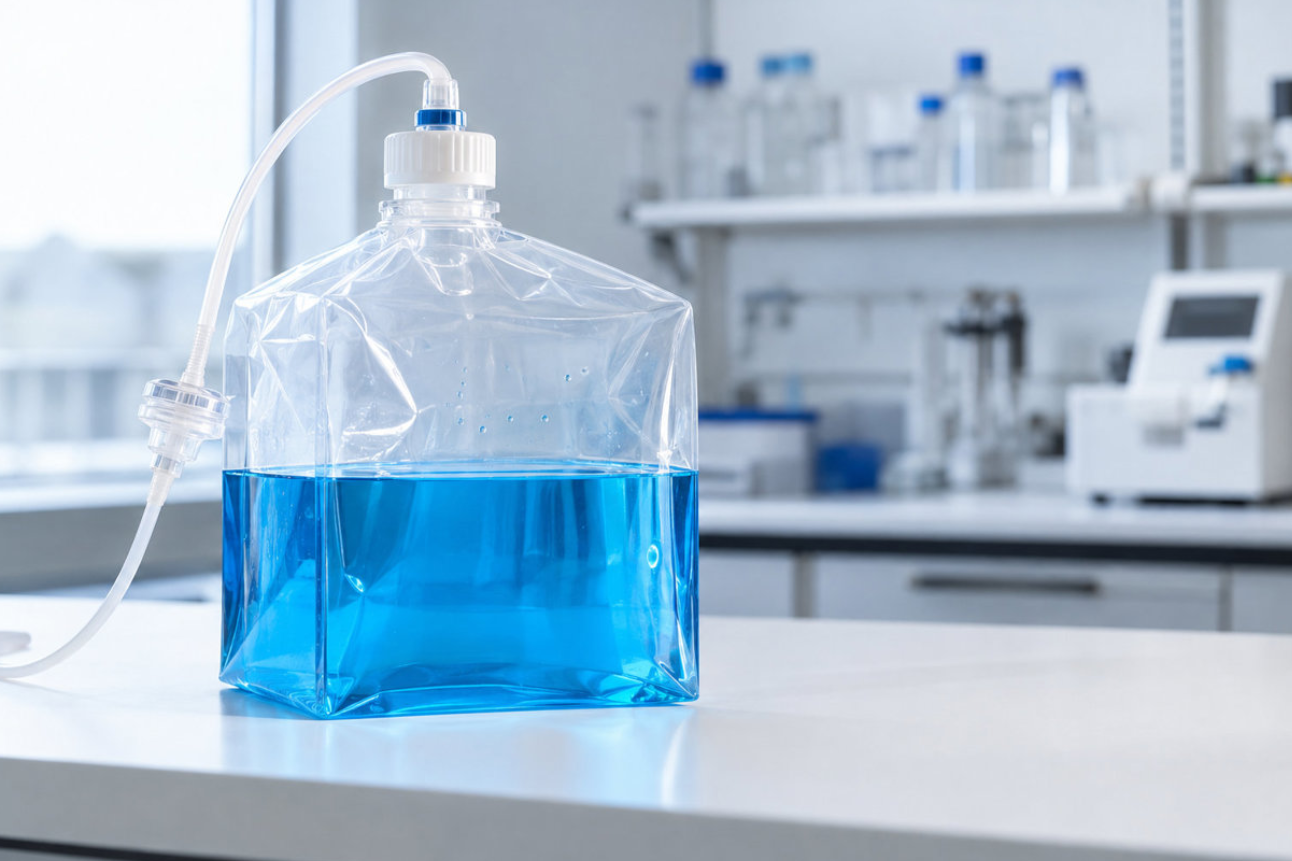
Key roles in university lab workflows
Reliable containment and transfer systems form the basis of many academic projects, from day-to-day experiments to specialized research. Liquid media must be prepared under clean conditions for cell culture, while buffers and reagents are stored and dispensed to help avoid contamination in workflows such as chromatography, filtration, and purification. Consistent liquid handling is also valuable during sample collection, especially in studies using sensitive biological materials.
Multistep experiments, including protein production or synthetic biology protocols, often require intermediate storage and transfer points designed to protect sample quality. In these settings, single-use or sterilizable containers offer ways to reduce cross-contamination risks, simplify logistics, and improve experimental workflows.
Ensuring experimental reproducibility and consistency
Minor differences in surface properties or in container materials and chemical compatibility can influence sensitive assays. Some are designed with attention to leachables (chemicals that leach out of the container) and extractables (substances that can be extracted with solvents), both of which may end up in samples. Careful management of liquid transfers may reduce variability and support reproducibility from one trial to the next.
Standardized containers can also make method documentation clearer. Accurate records of materials used at each stage help simplify methods sections in manuscripts and support repeatability within the lab or for the wider research community.
Managing sterility and contamination control
In university environments that share equipment among students and researchers, maintaining aseptic technique is a constant focus. Teaching labs, core facilities, and group projects may face higher contamination risks during handling and transfer. Using purpose-designed containers with secure closure systems and compatible connectors can help lower this risk.
Segregation of clean and potentially contaminated stages is easier with single-use bags or bottles, especially in workflows that require frequent setup and breakdown. Staged handling, effective labeling, and transferring with closed containers all contribute to maintaining the necessary standards in many bioscience workflows.
Selecting appropriate configurations for research needs
Choosing a bioprocessing solution starts with understanding volume and compatibility requirements. Academic labs may need options ranging from milliliter-scale sampling to multi-liter preparations. Connection types should fit common pumps, filters, and sensors to streamline setup, minimize leaks, and simplify cleaning or replacement procedures.
The most suitable configuration supports not only the current protocol but also future needs, in case the research expands from bench-scale to pilot projects or collaborations.
Practical realities of using bioprocess systems in academia
Beyond experiment design, labs also consider storage requirements, ease of use, and training needs for new lab members. Disposable containers can reduce cleaning steps but increase waste, so labs must weigh environmental and cost tradeoffs. Setup and breakdown times are practical concerns, especially when student turnover and high-throughput schedules are factors.
Budget constraints require careful choices that balance upfront equipment costs with cumulative effort per experimental run. Decisions often factor in price, time savings, consumables, and the level of maintenance the lab can accommodate.
Keeping safety and compliance on track
Lab safety depends on practices such as clear labeling, lot traceability, and thorough recordkeeping. These standards are used in regulated industry settings and are relevant in academic labs, especially when protocols must align with broader quality principles or future collaborations.
Documented procedures for the handling and disposal of such containers also support compliance, helping ensure lab work meets institutional review and audit requirements.
Emerging trends in academic laboratory practices
Some university core facilities are adopting more standardized approaches to liquid handling and storage. This transition can make training easier for students in graduate and professional programs and help maintain data consistency as personnel change. Digital tracking systems are increasingly used to manage inventory, reduce errors, and support continuity for labs experiencing frequent member transitions.
As laboratory equipment and management practices change, their use is likely to increase, fostering more efficient and reliable workflows for academic research laboratories.
