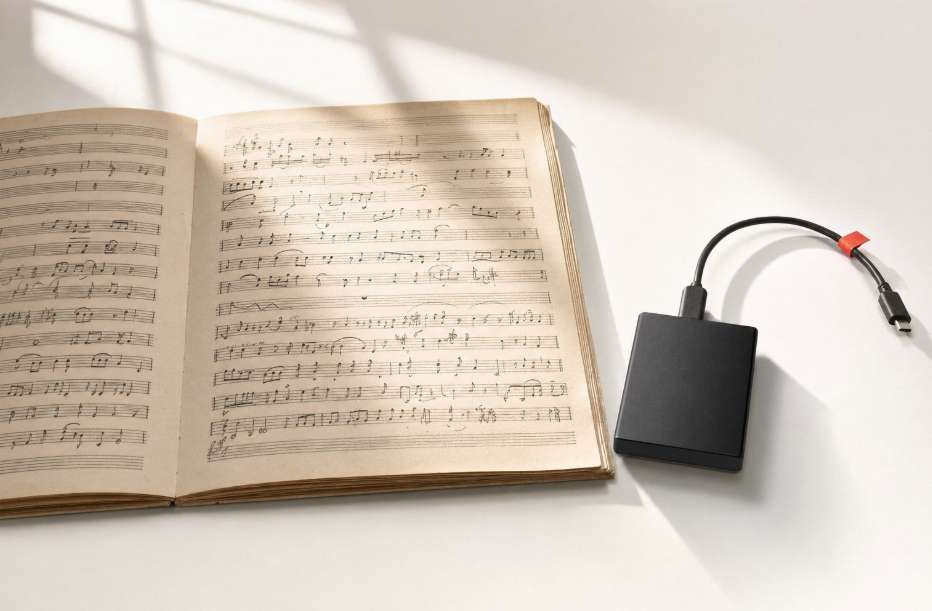
Digitization is changing the ways in which historical sound collections are accessed, studied, and preserved. Online music archives now provide researchers, musicians, and educators with structured, reliable sources. As availability grows, so do challenges relating to equity, authenticity, and long-term management.
Interest in European instrumental music continues to expand as more archival collections become available in digital formats. With the rapid growth of online archives, you can explore recordings, scores, and documentation that were once limited to physical repositories. The transition to digital access opens new possibilities for research and teaching but introduces questions around preservation, discoverability, and ethical use. Understanding the strengths, risks, and best practices of online music archives is crucial for anyone seeking to engage with these musical resources responsibly and effectively.
Digitization transforms access and raises new questions
You now encounter a world where recorded and notated music is shifting away from shelves of scores and tapes to expansive online platforms. This transformation enables instant access to music collections that previously required travel or special permission, widening both scholarly and public engagement with musical heritage.
Despite these benefits, important elements can be lost when music moves online. Physical artifacts may include annotations, unique packaging, and tactile qualities not captured in scans or audio files. Maintaining the richness and context of the original materials remains a central challenge for anyone relying on digital access.
What digital music archives typically contain for users
When you browse an online music archive, you generally find a curated blend of audio recordings, digitized scores, and supplementary materials like performance notes and metadata. These archives provide a structure that supports in-depth study, enabling you to compare different interpretations and trace the evolution of specific works.
There are notable differences between scholarly repositories, library-managed archives, and grassroots or community-led platforms. Each collection may prioritize different aspects, such as interpretive notes, performer backgrounds, or technical metadata, which influences how you search for and use materials. Choosing the right archive depends on your specific research needs and the depth of information required.
Preservation challenges unique to digitized music resources
Preserving digital versions of music brings unique obstacles compared to traditional settings. Recorded formats may become obsolete as technology advances, threatening access unless archives regularly update file types and playback capabilities.
Source material such as tapes or handwritten scores can degrade over time, making urgent digitization essential. Legal and ethical rights constraints often limit what can be made available, restricting the full potential of digital access even when the technology is in place.
Metadata, discoverability, and research value in archives
Accurate metadata underpins the research value of every major online archive. Elements such as standardized descriptions, cataloging details, and persistent identifiers are crucial for ensuring that collections can be discovered, compared, and cited appropriately.
Standard practices allow for the integration of data across multiple repositories, helping you locate materials that relate to European instrumental music or other specialized interests. The interoperability of metadata significantly increases the reach and impact of digital archives in both academic and public settings.
Balancing access, authenticity, and sustainable stewardship
When considering who can access digitized materials, equity issues often arise. Open access may be the goal, but restrictions related to copyright, performer rights, and sensitive cultural material sometimes limit availability. Institutions must balance these concerns to foster inclusive but responsible use of their collections.
Quality control is central to ensuring the authenticity of archive content. Curators and librarians validate provenance, versioning, and correct attribution, helping prevent misidentification or inaccuracies. Long-term stewardship requires sustainable funding, regular maintenance, and adherence to established preservation standards to ensure collections remain available for you and future generations.
Well-designed archives support new types of scholarship, teaching, and creative engagement by offering reliable, accessible resources. As digital platforms become increasingly influential, ongoing curation and stewardship are essential to maintain the integrity and relevance of music archives in the evolving academic landscape.